admin_suk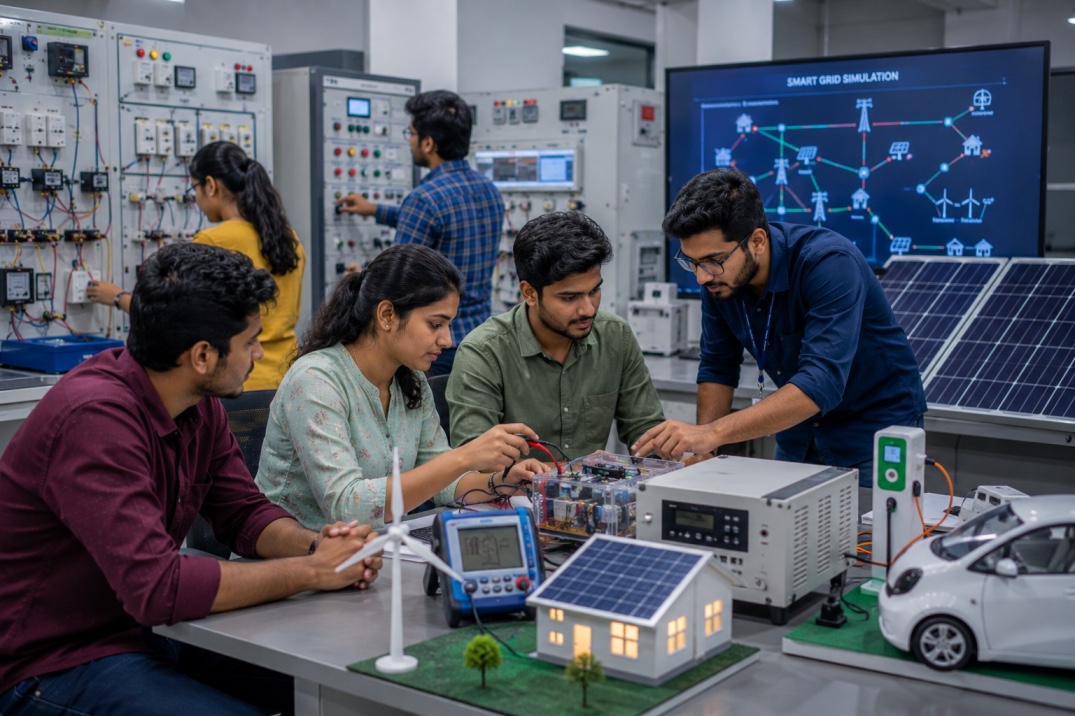
Empowering the Future of Energy and Technology
Electricity is the backbone of modern civilization. From industries and transportation systems to smart cities and renewable energy projects, reliable power systems are essential for economic growth and technological advancement.
As the world transitions toward sustainable energy, smart grids, electric vehicles, and intelligent power management systems, the demand for highly qualified power engineering professionals is increasing rapidly.
The Faculty of Engineering & Technology at Sharnbasva University, Kalaburagi offers an advanced M.Tech in Power Systems & Power Electronics program designed to prepare students for leadership roles in energy generation, power transmission, renewable energy integration, and advanced electrical technologies.
This postgraduate program combines advanced theoretical knowledge, practical applications, research opportunities, and industry-oriented learning to create future-ready power engineering professionals.
If you are passionate about energy systems, sustainable technologies, and electrical innovation, this program offers an exciting pathway to a successful engineering career.
Why Choose Power Systems & Power Electronics?
Modern societies depend on efficient and reliable electrical power systems.
Power engineers contribute to:
- Electricity Generation
- Renewable Energy Projects
- Smart Grid Technologies
- Electric Vehicles
- Industrial Automation
- Energy Management Systems
- Power Transmission & Distribution
- Sustainable Infrastructure Development
Power Systems & Power Electronics play a crucial role in shaping the future of global energy.
About the M.Tech Program
The M.Tech in Power Systems & Power Electronics provides advanced expertise in electrical power generation, transmission, distribution, control systems, and modern power conversion technologies.
The program focuses on:
- Advanced Power Engineering
- Renewable Energy Integration
- Smart Grid Technologies
- Power Electronics Applications
- Research and Innovation
Students gain a deep understanding of modern electrical systems and their role in sustainable development.
Key Areas of Learning
Advanced Power Systems
Students explore the operation and management of large-scale electrical networks.
Topics Include:
- Power Generation Systems
- Transmission Networks
- Distribution Systems
- Power System Stability
Reliable power systems are essential for economic and industrial growth.
Power Electronics
Power electronics enable efficient control and conversion of electrical energy.
Focus Areas:
- Power Converters
- Electronic Control Systems
- Industrial Drives
- Energy Conversion Technologies
These technologies are widely used in modern electrical applications.
Renewable Energy Systems
As clean energy adoption grows, students learn about:
- Solar Power Systems
- Wind Energy Technologies
- Energy Storage Solutions
- Sustainable Power Generation
Renewable energy engineering is one of the fastest-growing sectors worldwide.
Smart Grids & Intelligent Power Systems
Students gain knowledge in:
- Smart Grid Technologies
- Intelligent Monitoring Systems
- Digital Power Networks
- Advanced Energy Management
Smart grids are transforming how electricity is delivered and managed.
Electric Vehicle Technologies
The rise of electric mobility is creating new opportunities in power engineering.
Students Explore:
- EV Charging Infrastructure
- Power Conversion Systems
- Battery Technologies
- Sustainable Transportation Solutions
Electric vehicles are becoming a major component of future energy systems.
Practical Learning & Research
At Sharnbasva University, students gain hands-on experience through:
Learning Opportunities
- Power System Laboratories
- Electrical Simulation Projects
- Renewable Energy Studies
- Research-Based Assignments
- Technical Workshops
- Industry-Oriented Projects
These experiences help students apply advanced concepts to real-world engineering challenges.
Future Scope of Power Engineering
The future of power engineering is driven by technological innovation and sustainability.
Emerging Opportunities Include:
- Renewable Energy Development
- Smart City Infrastructure
- Electric Mobility
- Green Energy Technologies
- Smart Grid Management
- Energy Storage Systems
- Sustainable Industrial Power Solutions
Power engineers will play a critical role in achieving global sustainability goals.
Career Opportunities After M.Tech
Graduates can pursue advanced careers across energy, infrastructure, and technology sectors.
Power Systems Engineer
Design and manage large-scale electrical power systems.
Power Electronics Engineer
Develop advanced energy conversion and control technologies.
Renewable Energy Engineer
Work on solar, wind, and sustainable energy projects.
Smart Grid Specialist
Support intelligent power distribution and energy management systems.
Electric Vehicle Power Engineer
Contribute to EV technologies and charging infrastructure.
Research & Development Engineer
Develop innovative solutions for future energy challenges.
Graduates are highly valued by power utilities, renewable energy companies, manufacturing industries, infrastructure organizations, and research institutions.
Why Study Power Systems & Power Electronics at Sharnbasva University?
The Faculty of Engineering & Technology offers:
✔ Advanced Industry-Oriented Curriculum
✔ Research-Focused Learning Environment
✔ Modern Electrical Engineering Laboratories
✔ Renewable Energy Exposure
✔ Experienced Faculty Mentorship
✔ Innovation and Technology Development Opportunities
✔ Career-Oriented Skill Enhancement
Students gain expertise needed for both industry leadership and academic research.
Skills Developed Through the Program
The program helps students build:
- Power System Analysis Skills
- Energy Management Expertise
- Electrical Design Knowledge
- Renewable Energy Understanding
- Research Methodology
- Problem-Solving Ability
- Technical Leadership Skills
These competencies are highly valued across the global energy sector.
Higher Education & Research Opportunities
After completing M.Tech, students may pursue:
Doctoral Studies (Ph.D.)
- Power Systems Engineering
- Electrical Engineering
- Renewable Energy Technologies
- Smart Grid Systems
Research Areas
- Sustainable Energy Solutions
- Advanced Power Electronics
- Smart Energy Management
- Electric Mobility Technologies
Why M.Tech Power Systems & Power Electronics Is a Smart Choice in 2026
✔ Growing Global Energy Demand
✔ Strong Career Opportunities
✔ Renewable Energy Expansion
✔ Emerging Smart Grid Technologies
✔ Future-Focused Engineering Specialization
Power engineering professionals will continue to play a vital role in the world’s energy transformation.
The M.Tech in Power Systems & Power Electronics at Sharnbasva University, Kalaburagi equips students with advanced technical knowledge, practical expertise, and research capabilities needed to succeed in modern energy and electrical engineering industries.
With opportunities in power generation, renewable energy, smart grids, electric vehicles, and advanced power technologies, graduates are prepared to become leaders in one of the most important sectors of the future.
Power Innovation. Drive Sustainability. Shape the Future of Energy.